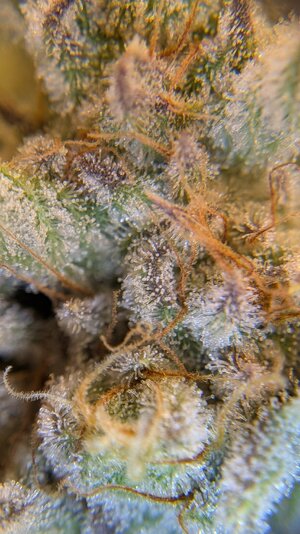
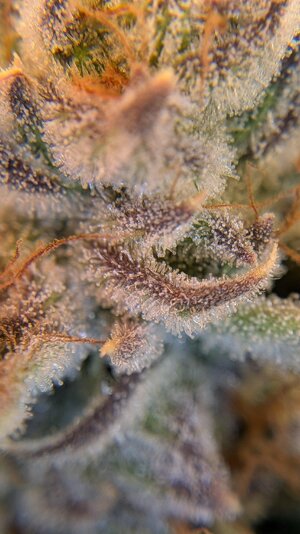
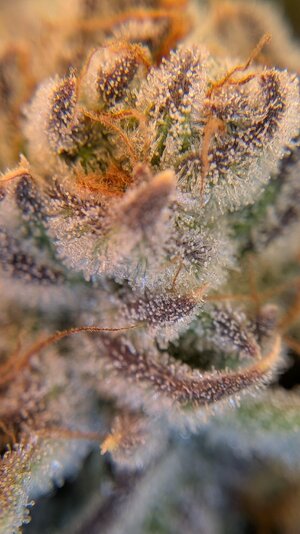
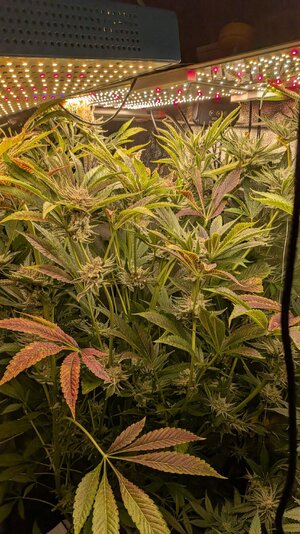
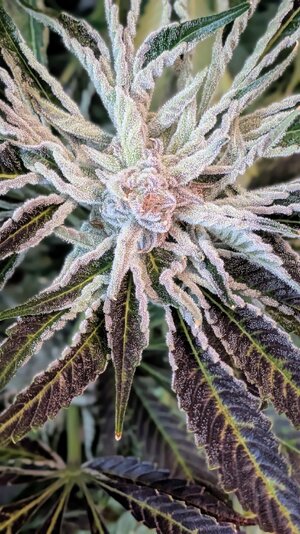
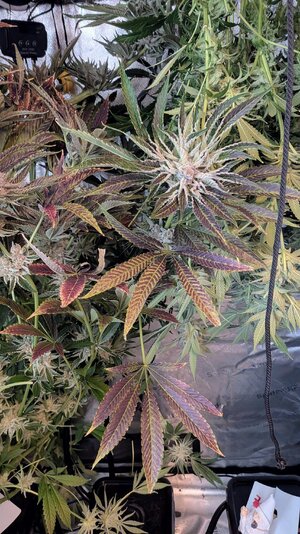
Getting that, it stinks like weed, comment from the wife past two weeks, even with a sealed room and carbon filter scrubbers. I mean it is peak stinky time right now, but wondering if the filters are still up to par from when they were new.
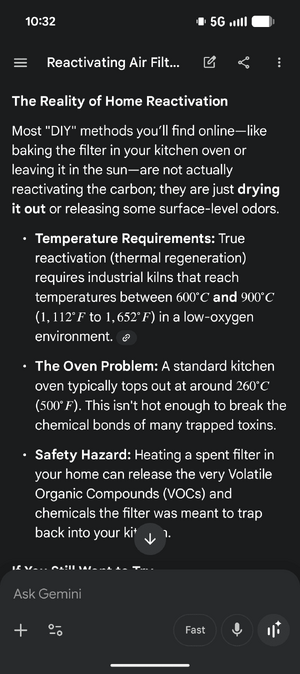
How often do you guys replace carbon filters? Every two years? Or can you truly reactivate them with heat?
I never got one as it was legal to grow and we don’t mind the smell. Rarely get embarrassed by it either. But once I saw the sticker prices I was happy NOT to need one.
I do put a nylon stocking over the roofs intake for exhausting the hot air and it needs to be washed or replaced each grow.
I’d think under normal conditions once a year but that’s just guessing. Based on things like furnace.
AI suggested:
You can reuse a charcoal (activated carbon) air scrubber/filter for multiple grows, but lifespan depends on three main factors:
- Filter size and carbon amount: larger filters last longer.
- Odor load and grow scale: more plants, stronger strains, or multiple flowering cycles load the filter faster.
- Run hours and airflow: continuous high CFM shortens life; intermittent use lasts longer.
- Environmental conditions: high humidity and particulate matter (dust/resin) can reduce effectiveness.
Practical guidance (typical residential/homegrow assumptions):
1. Small filter (4–6" thick, ~2–6 lb carbon): 1–2 full flowering cycles (4–12 weeks each) before noticeable odor breakthrough; often replaced after 6–12 months.
2. Medium filter (6–8" thick, ~8–20 lb carbon): 3–6 flowering cycles (several grows) or 6–18 months of use.
3. Large/commercial filters (8–12"+, 25+ lb carbon): many grows — often 12–24+ months depending on load; may be used through a season before replacement.
Tips to extend life:
- Pre-filter the intake with a washable/replaceable pre-filter to catch dust/resin.
- Keep humidity below ~60% while flowering.
- Use appropriately sized fan/CARBON CFM for your filter (oversizing fan reduces contact time).
- Store unused filters dry and sealed; replace if saturated or emitting odor.
- Replace when you detect odor leakage or airflow is significantly reduced.