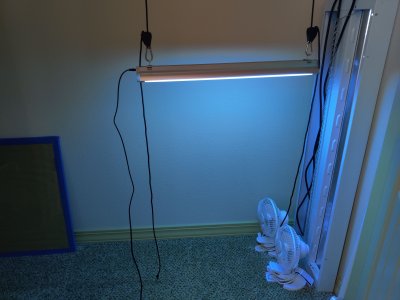
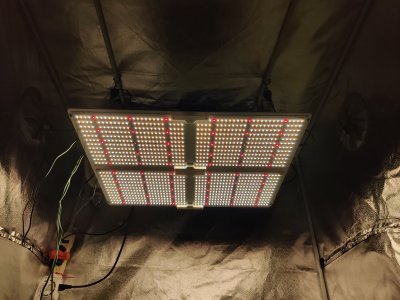
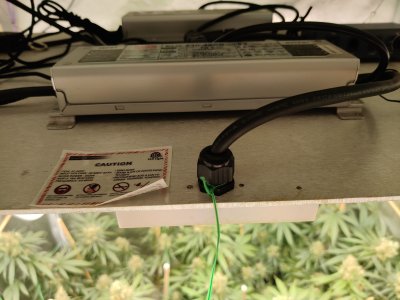
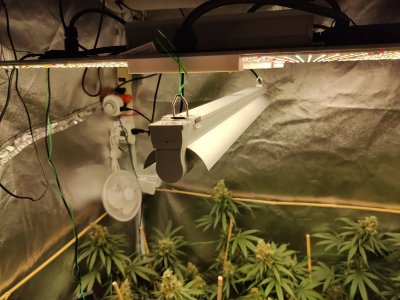
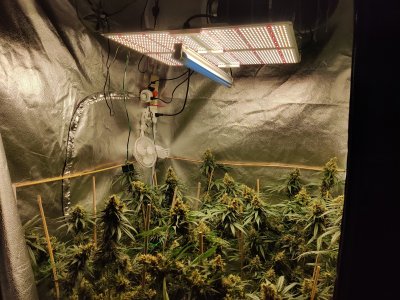
- Our plant expert Matt Fischer says, "The key to success with pulsed UV light is striking the right balance between providing adequate exposure and preventing damage. Careful observation and timely adjustments can help ensure that your plants reap the benefits without any adverse effects."
The Truth About UV Light and Your Plants
Jessica McKeilDec 03, 2020
Share
After a recent conversation with a customer about the risk of UV lighting in the grow room, we became intrigued about the full spectrum of UV light. Do plants need UV light to thrive? Is exposure to ultraviolet light harmful? And crucially for us at Happy Hydro, can you protect your eyes from UV rays in the grow room?
Modern grow lights provide a full spectrum of light for your plants, including UV wavelengths that are harmful to human eyes. If you’re interested in protecting yourself from harmful UV-A and UV-B electromagnetic radiation,
LED and MH grow room safety glasses—or the
HPS and MH variety—are an excellent investment.
During our research on the subject of UV light, we quickly discovered that many sources aren’t as clear-cut as we had hoped. To make the research easier on you, we put together the following guide regarding the truth about UV lights—and how they affect both you and your plants.
If you prefer visual content, we go deep into this topic in our YouTube video here.
Table of Contents
What is UV Light?UV-A:UV-B:UV-C:Best Methods for Giving Plants UV LightWhat Light is Best For Plants?How UV Light Effects Secondary Metabolites in Cannabis PlantsWhat Safety Precautions Do you Need to Take for UV Lights in the Grow Room?
What is UV Light?
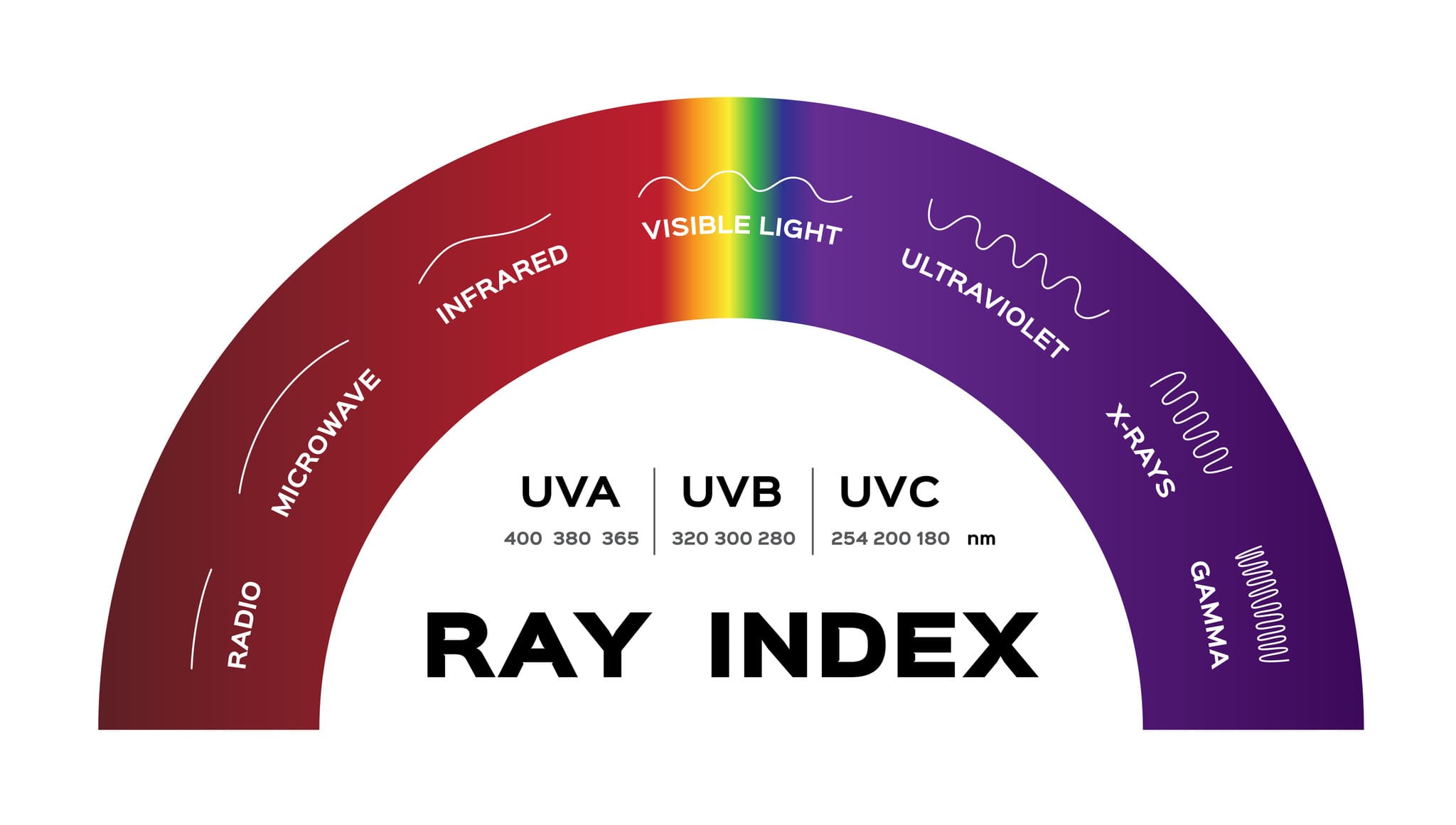
Ultraviolet light, or UV light, is a form of electromagnetic radiation. Light is measured and referred to by its wavelength in nanometers (nm).
The
visible spectrum of light falls between 400 nm to 700 nm. Just outside the violet end of the spectrum begins the
ultraviolet category, with a wavelength from 10 nm to 400 nm. While the human eye can’t pick up these wavelengths, many other creatures, including plants, use it to survive. When it comes to cannabis (and many vegetables), harnessing someUV light may improve your harvest.
There are three primary types of
UV light, including UV-A, UV-B, and UV-C:
UV-A:
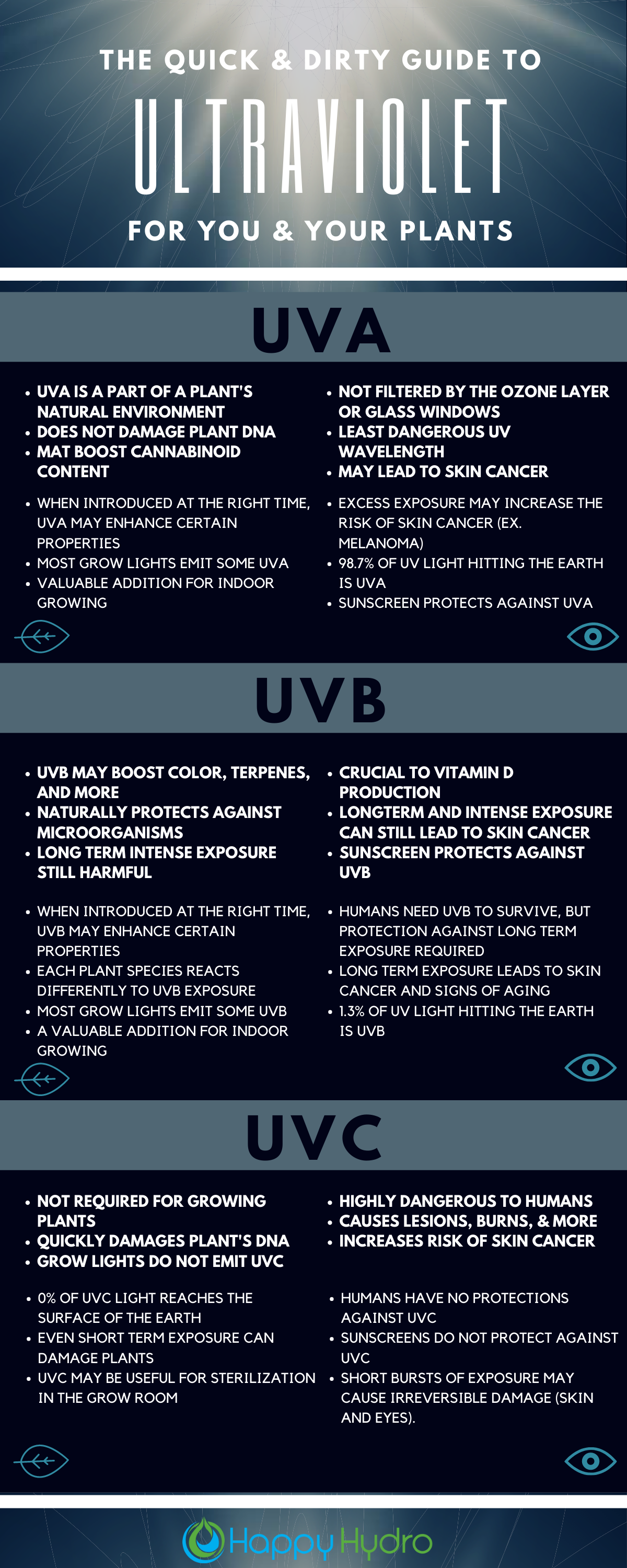
The upper end of the UV spectrum, between 400 nm to 315 nm, is the most prevalent spectrum of UV light on earth. UV-A makes up 98.7 percent of all UV light that reaches us from the sun.
Is UV-A good for plants?
Most evidence suggests that UV-A exposure isn't tied to DNA damage in plants. This is not a surprising fact, considering that plants are exposed to high levels of low-intensity UV-A in their natural environment. Generally speaking, the UV-A included in most grow room lights won't cause any damage to your harvest, and in the case of cannabis, they might even improve THC and CBD production.
Is UV-A harmful to humans?
In short diffused doses, there is nothing wrong with a little UV-A light. However, over time or if exposed to intense bursts of UV-A ultraviolet light, it may trigger the development of skin cancer, according to the
Skin Cancer Foundation. In particular, researchers link UV-A to melanoma, the deadliest type of skin cancer. Unlike other forms of UV light, UV-A isn’t filtered-out by glass windows. This is what leads to faded curtains and aging artwork. It is also the light spectrum responsible for wrinkles and age spots.
UV-B:
The second most common UV wavelength to reach the earth from the sun is UV-B. Its electromagnetic wavelengths range from 314 to 280 nm. UV-B triggers oxygen creation and the regeneration of the ozone layer. It makes up the remaining 1.3 percent of UV light reaching the earth’s surface.
Image sourced from Adobe
Is UV-B good for plants?
In the right dose, introducing a small amount of UV-B ultraviolet light to your indoor plants can be a good thing. This light spectrum encourages plants to produce their own natural sunscreen. These “sunscreens” vary from one species to another—in the case of cannabis, the development of trichomes, terpenes, and colors will be affected. The UV-B spectrum also offers a bit of natural protection against fungal infections and unwanted pests.
Is UV-B harmful to humans?
Humans have a love-hate relationship with this middle spectrum of UV light. On one hand, UVB light triggers Vitamin D production. On the other hand, it can damage the skin, and will eventually cause skin cancer if left unchecked. Us humans require UV-B, but we also need to take precautions against too much of it. Most available sunscreens include protection against harmful UV-B rays—
grow room glasses serve the same purpose for your eyes.
"Ultraviolet (UV) light exposure leads to the development of a denser cuticle layer in plants. This protective barrier reduces water loss through evaporation, ultimately enhancing the plant's water efficiency."
UV-C:
UV-C is not present in the UV light that reaches the earth’s surface. While UV-C light is now artificially made, the ozone layer completely absorbs this wavelength, meaning that no UV-C light penetrates through the Earth's atmosphere. It ranges in wavelength from 280 to 0 nm.
Image sourced from Adobe
Is UV-C good for plants?
This is where the truth about UV light in the grow room gets a bit confusing. Out in the great outdoors, plants are not naturally exposed to UV-C lighting, because it doesn’t permeate through the ozone layer. They don’t need it to grow, and it can be one of the most damaging wavelengths of light to expose your plants too. Many growers don't realize that UV-C does damage to the plant's DNA.
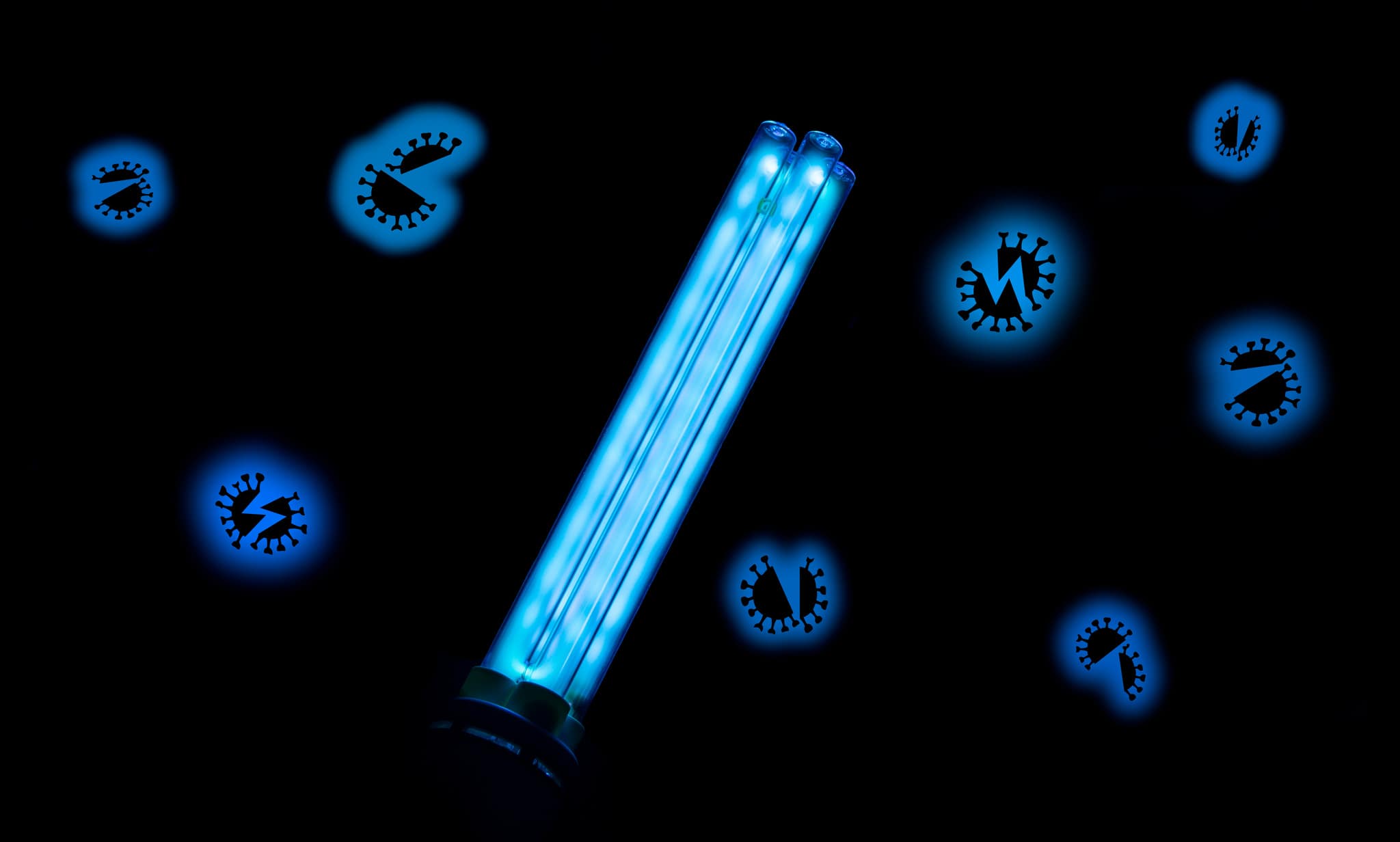
But, with that said, UV-C lighting wands are often sold as a hand-held tool designed to sanitize the workroom from microorganisms. These wands borrow from UV-C technology used to sterilize water in the backcountry. Ultimately, UV-C will kill everything with too much exposure, including your plants. If you do decide to use a UV-C wand in your grow room, cover up and protect yourself and your plants from excessive exposure. Your plants certainly do not need UV-C to grow, and your grow lights don't produce it.
Is UV-C harmful to humans?
Us earthlings take our ozone layer for granted. Few realize that without the protection of the invisible atmospheric barrier, we would face a constant barrage of dangerous UV-C ultraviolet light. This spectrum of light is hazardous to humans, even with limited short-term exposure. If intense enough, UV-C light can cause lesions, burns, or redness. Over the long term, it speeds up the visible signs of aging and also leads to skin cancers.
Best Methods for Giving Plants UV Light
When it comes to optimizing plant growth and health, the right approach to UV light exposure can make all the difference.
In this section of our blog, we'll explore the advantages of the Pulse UV Method over the Steady State UV Method and discuss how to implement it effectively to enhance your plants' well-being.
Pulsed vs. Steady State UV Light: A Comparison
The Pulse UV Method involves administering shorter, intermittent bursts of UV light, while the Steady State UV Method maintains a continuous flow of UV light.
The general consensus is that pulsed UV light can be more beneficial for plants, as constant exposure to UV light may cause harm or trigger an excessive UV response that hinders the plant's ability to absorb the rays.
Implementing the Pulse UV Method for Optimal Plant Health
To make the most of the Pulse UV Method, it is recommended to
apply it for an hour, a couple of times during the light period.
While doing so, it is essential to
closely monitor your plants for any signs of damage or burning, and adjust the exposure accordingly.
Our plant expert Matt Fischer says, "The key to success with pulsed UV light is striking the right balance between providing adequate exposure and preventing damage. Careful observation and timely adjustments can help ensure that your plants reap the benefits without any adverse effects."


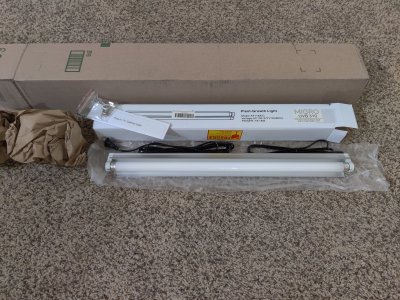
 , and would hasten to add, do the side by side with a brand name T8 Lamp (Migro or Solacure). Then, if you want to compared those results to an Amazon T5 (reptile?) lamp, that would be even better. IDK, thinking out loud. Could one put a T5 on one side of a tent and a T8 on the other side? Then have a lab do a trepene test on flowers from each side? I have read enough at this point to believe that any increase in THC is unlikely at best, but increasing terps or flavinoids?, that seems much more likely, from what I've read.