
Bud Builders - Making Friends, Growing Cannabis

Register a free account today to become a Bud Builders member! Once signed in, you'll be able to participate on our site by adding your own topics and posts, as well as connect with other members through your own private inbox.

Join the fun and make some friends!

Growing With Gaia Green - Shaded's Method

While I know this thread is OLD. I still have a question, for anyone who may know the answer.

OK. I will use Gaia Green 4-4-4 x 2-8-4, as my main fertilizers.

I have also noted the added amendments of Gypsum, Epsom Salts ect.

My question is??

Consider this??
I will be using 10 gallon, and 40 gallon containers.

Straight to the point.

I was reading about soil volume, and container size. Of course we all know all Mediums, DO NOT HAVE THE SAME DENSITY, AND THUS CANNOTH BE MEASURED THE SAME.

I was reading, and the information stated, that?

In Reality, a 20 Gallon Container, really only holds-9.09 gallons- 45.5% of the actual container size.
So, if one went by-FERTILIZED, what the container size says it holds, which is 20 gallons, one would be OVER FERTILIZING BY 55.5%!!!!!
Also, this does not include, not filling the container to the top, and leaving a few inches.

A 20-gallon container can hold approximately 151.2 liters of soil, assuming a standard soil depth of 12 inches. However, the actual capacity may vary based on factors such as soil type and density. For practical purposes, it's often recommended to use a density factor of about 0.4-0.5, which would estimate the actual volume to be around 9.09 gallon

Also one of those huge, 3.8 cu/ft Bales of Promix BX, is only 28.4 Gallons Medium. And 1 Bale will fill up about 2.33 20 gallon Totes.

THOUGHTS????
For what it’s worth I wanted to know if manufacturers took this into consideration.

I believe in the past the start with half rules were created because of this…maybe.

A short chat came to this conclusion, summary at the end.

=-=-=-=-=-=-=-=-=-=

I will use Gaia Green 4-4-4 x 2-8-4, as my main fertilizers and the recommended amounts. I will be using 10 gallon, and 40 gallon containers. All growing mediums, DO NOT HAVE THE SAME DENSITY, AND THUS can not BE MEASURED THE SAME. If a 20 Gallon Container, really only holds-9.09 gallons- 45.5% of the actual container size then how are recommended amounts calculated?Would/should this effect amounts of fertilizer to use?


.
GPT-4o mini

🌱 Understanding Fertilizer Application in Varying Container Sizes​

When using fertilizers like Gaia Green 4-4-4 and 2-8-4, it's essential to consider the actual volume of the growing medium in your containers, as you've pointed out. The recommended amounts of fertilizers are typically based on the total volume of the container, but if the effective volume is significantly less due to the density of the growing medium, adjustments may be necessary.

📏 How Recommended Amounts Are Calculated​

  1. Standard Recommendations: Fertilizer recommendations are often based on the total volume of the container. For example, if a fertilizer label suggests a certain amount per gallon, that amount is calculated assuming the container is filled to its full capacity with a standard growing medium.
  2. Density Variations: Different growing mediums (like soil, coco coir, or hydroponic mixes) have varying densities, which can affect how much actual volume they occupy in a container. If a 20-gallon container only holds 9.09 gallons of growing medium, this discrepancy can lead to over-fertilization if you apply the recommended amount based on the full 20 gallons.

⚖️ Adjusting Fertilizer Amounts​

Given that your effective volume is less than the container size, you should consider the following:
  • Calculate Effective Volume: Determine the actual volume of the growing medium in your containers. For example, if your 10-gallon container holds 4.5 gallons of medium, and your 40-gallon container holds 18 gallons, use these figures for calculations.
  • Adjust Fertilizer Amounts: Use the ratio of the effective volume to the total volume to adjust the fertilizer amounts. For instance, if the recommendation is 10 grams of fertilizer per gallon and your effective volume is 45.5% of the container size, you would apply approximately 4.55 grams per gallon of the effective volume.

🧮 Example Calculation​

If you have a 20-gallon container that effectively holds 9.09 gallons of medium:
  • Recommended Amount: 10 grams per gallon (for example).
  • Effective Volume: 9.09 gallons.
  • Adjusted Amount: 10 grams x 9.09 gallons = 90.9 grams total for the effective volume.

Conclusion​

Yes, the actual volume of the growing medium should definitely affect the amounts of fertilizer you use. By calculating the effective volume and adjusting the fertilizer amounts accordingly, you can ensure that your plants receive the right nutrients without the risk of over-fertilization.

So if we use what you called a standard medium, like ProMix hp, then the amounts are already correct because the manufacturer took this into consideration? But a medium like coco would need to be adjusted?

=-=-=-=-=-=-

.
GPT-4o mini

🌾 Fertilizer Application with Different Growing Mediums​

Yes, you're correct in your understanding. The type of growing medium you use can significantly impact how you apply fertilizers. Here's a breakdown of how different mediums affect fertilizer application.

🏷️ Standard Mediums vs. Coco Coir​

ProMix HP (Standard Medium)​

  • Manufacturer Consideration: Products like ProMix HP are designed to have a consistent density and structure, which means that the recommended fertilizer amounts provided by the manufacturer are typically based on the effective volume of the medium. Therefore, you can generally follow the recommended amounts without needing to make adjustments.
  • Nutrient Retention: Standard mediums often have good nutrient retention and drainage properties, making them suitable for a wide range of plants.

Coco Coir (Non-Standard Medium)​

  • Density Variations: Coco coircan have a different density and water retention capacity compared to standard mediums. This means that the effective volume of coco coir in a container may differ from what is assumed in standard recommendations.
  • Adjustment Needed: Since coco coir can hold more water and nutrients, you may need to adjust the fertilizer amounts. If the effective volume is less than the container size, reduce the amount of fertilizer accordingly to avoid over-fertilization.

⚖️ Summary of Adjustments​

  • For Standard Mediums (like ProMix HP): Use the recommended amounts as they are, since they account for the medium's properties.
  • For Coco Coir: Assess the effective volume and adjust the fertilizer amounts based on that volume to ensure proper nutrient delivery.
By understanding the characteristics of the growing medium you are using, you can make informed decisions about fertilizer application, leading to healthier plants and better yields.
 
For what it’s worth I wanted to know if manufacturers took this into consideration.

I believe in the past the start with half rules were created because of this…maybe.

A short chat came to this conclusion, summary at the end.

=-=-=-=-=-=-=-=-=-=

I will use Gaia Green 4-4-4 x 2-8-4, as my main fertilizers and the recommended amounts. I will be using 10 gallon, and 40 gallon containers. All growing mediums, DO NOT HAVE THE SAME DENSITY, AND THUS can not BE MEASURED THE SAME. If a 20 Gallon Container, really only holds-9.09 gallons- 45.5% of the actual container size then how are recommended amounts calculated?Would/should this effect amounts of fertilizer to use?


.
GPT-4o mini

🌱 Understanding Fertilizer Application in Varying Container Sizes​

When using fertilizers like Gaia Green 4-4-4 and 2-8-4, it's essential to consider the actual volume of the growing medium in your containers, as you've pointed out. The recommended amounts of fertilizers are typically based on the total volume of the container, but if the effective volume is significantly less due to the density of the growing medium, adjustments may be necessary.

📏 How Recommended Amounts Are Calculated​

  1. Standard Recommendations: Fertilizer recommendations are often based on the total volume of the container. For example, if a fertilizer label suggests a certain amount per gallon, that amount is calculated assuming the container is filled to its full capacity with a standard growing medium.
  2. Density Variations: Different growing mediums (like soil, coco coir, or hydroponic mixes) have varying densities, which can affect how much actual volume they occupy in a container. If a 20-gallon container only holds 9.09 gallons of growing medium, this discrepancy can lead to over-fertilization if you apply the recommended amount based on the full 20 gallons.

⚖️ Adjusting Fertilizer Amounts​

Given that your effective volume is less than the container size, you should consider the following:
  • Calculate Effective Volume: Determine the actual volume of the growing medium in your containers. For example, if your 10-gallon container holds 4.5 gallons of medium, and your 40-gallon container holds 18 gallons, use these figures for calculations.
  • Adjust Fertilizer Amounts: Use the ratio of the effective volume to the total volume to adjust the fertilizer amounts. For instance, if the recommendation is 10 grams of fertilizer per gallon and your effective volume is 45.5% of the container size, you would apply approximately 4.55 grams per gallon of the effective volume.

🧮 Example Calculation​

If you have a 20-gallon container that effectively holds 9.09 gallons of medium:
  • Recommended Amount: 10 grams per gallon (for example).
  • Effective Volume: 9.09 gallons.
  • Adjusted Amount: 10 grams x 9.09 gallons = 90.9 grams total for the effective volume.

Conclusion​

Yes, the actual volume of the growing medium should definitely affect the amounts of fertilizer you use. By calculating the effective volume and adjusting the fertilizer amounts accordingly, you can ensure that your plants receive the right nutrients without the risk of over-fertilization.

So if we use what you called a standard medium, like ProMix hp, then the amounts are already correct because the manufacturer took this into consideration? But a medium like coco would need to be adjusted?

=-=-=-=-=-=-

.
GPT-4o mini

🌾 Fertilizer Application with Different Growing Mediums​

Yes, you're correct in your understanding. The type of growing medium you use can significantly impact how you apply fertilizers. Here's a breakdown of how different mediums affect fertilizer application.

🏷️ Standard Mediums vs. Coco Coir​

ProMix HP (Standard Medium)​

  • Manufacturer Consideration: Products like ProMix HP are designed to have a consistent density and structure, which means that the recommended fertilizer amounts provided by the manufacturer are typically based on the effective volume of the medium. Therefore, you can generally follow the recommended amounts without needing to make adjustments.
  • Nutrient Retention: Standard mediums often have good nutrient retention and drainage properties, making them suitable for a wide range of plants.

Coco Coir (Non-Standard Medium)​

  • Density Variations: Coco coircan have a different density and water retention capacity compared to standard mediums. This means that the effective volume of coco coir in a container may differ from what is assumed in standard recommendations.
  • Adjustment Needed: Since coco coir can hold more water and nutrients, you may need to adjust the fertilizer amounts. If the effective volume is less than the container size, reduce the amount of fertilizer accordingly to avoid over-fertilization.

⚖️ Summary of Adjustments​

  • For Standard Mediums (like ProMix HP): Use the recommended amounts as they are, since they account for the medium's properties.
  • For Coco Coir: Assess the effective volume and adjust the fertilizer amounts based on that volume to ensure proper nutrient delivery.
By understanding the characteristics of the growing medium you are using, you can make informed decisions about fertilizer application, leading to healthier plants and better yields.

So I will use the lesser amount of fertilizer.

Also it was very helpful/useful that they had the amount weighed out in grams, vs blindly just doing TBLSP after TBLSP, which works well enough, but is not as precise as G/Gal.
Also one has to take into account, the container will not be completely filled to the brim, and will most likely be 1/4 gallon short of 9.1 in 20 gallon container.

But thanks for getting this info out. It has been the most helpful info Ive got, in a very very long time.
 
Someone correct my math iff Im wrong. Math wasnt my best subject. I aint illiterate, but,....

Just did more figuring, and the 10 Gallon, Vivosun Grow Bags, which are 15.9 x 15.9 x 11.9 = 3008.4 cubic Inches.
321 cubic Inches per Gallon.
Makes the 10 gallon bag, 13 gallons in reality.;stir
I will probably fill them at least 2 inches from the top. Maybe 3.
15.9 x 15.9 x 8.9 = 2250 cubic Inches. 2250 divided by 231 = 5.9 Gallons.
I also weighed the 4-4-4, and it weighs 14.7 Grams per TBLSP. 3 TBLSP = 44.1 Grams per gallon of medium.
So the 10 gallon bag is really 13 gallons, and holds 5.9 gallons medium vs 10 gallons, and holding 3.9 gallons!!!???????🍿🍿🍿;smoke;smoke;thup;thup;thup;stir;stir
 
Last edited:
A Bale 3.8 cu/ft Bale, 60lbs- is only 28.4 Gallons of Medium.
Its a 3.8 cubic foot compressed bale.

It breaks out into 7 cubic feet jsyk.

You're thinking too deep into this.

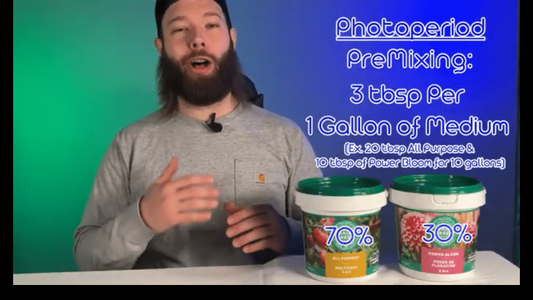
3tbsp per gallon of media.
If the bag is say 3 gallon, add 9 tablespoons.
Simple math. Youre overcomplicating it with all these conversions and nonsense.

K.I.S.S.

Its slow release, broken down by the microbes in the soil to a plant available form and they'll only eat what they eat.
Keep it simple, seriously.
 
Last edited:
And that's why his name is @GoodShit97 folks

Very hard to over-feed or burn a plant using organics unless you go absolutely loco. Some times it just takes trial & error, every strain and grow environment will also have fluctuations in demands. Week 3 of flower is where I used to start running into some problems as well - just make sure you are pre-feeding two weeks ahead of your flower date, and keep an eye on the P, Mg and Cal demands as those WILL become problematic strain by strain.
 
Back
Top Bottom